Projects
Project Description
Our capstone project was a low-cost distillation monitoring system designed to improve safety in small-scale distillation. The goal was to detect the transition between alcohol phases in real time so users would not have to rely on subjective methods such as smell, taste, or discarding a fixed volume. By combining sensing, flow monitoring, and temperature control, we developed a proof-of-concept system that made the distillation process more measurable, repeatable, and safety-focused.
Why This Project Matters
During distillation, methanol is naturally produced as a byproduct of fermentation, particularly in fruit-based alcohols. While small amounts are unavoidable, methanol is highly toxic to humans. When ingested, it is metabolized into harmful compounds such as formic acid, which can cause symptoms including headaches, dizziness, and nausea. In more severe cases, methanol exposure can lead to blindness, organ failure, and even death. What makes it especially dangerous is that symptoms are often delayed, meaning individuals may not realize the severity of exposure until significant damage has occurred.
In small-scale distillation, separating methanol from usable alcohol is often done using subjective methods such as smell, taste, or fixed volume estimates. This can lead to inconsistent results and serious safety risks. This project addresses that gap by introducing a more reliable and accessible approach, using sensors to monitor the process in real time.
Click to view full code for sensors on GitHub →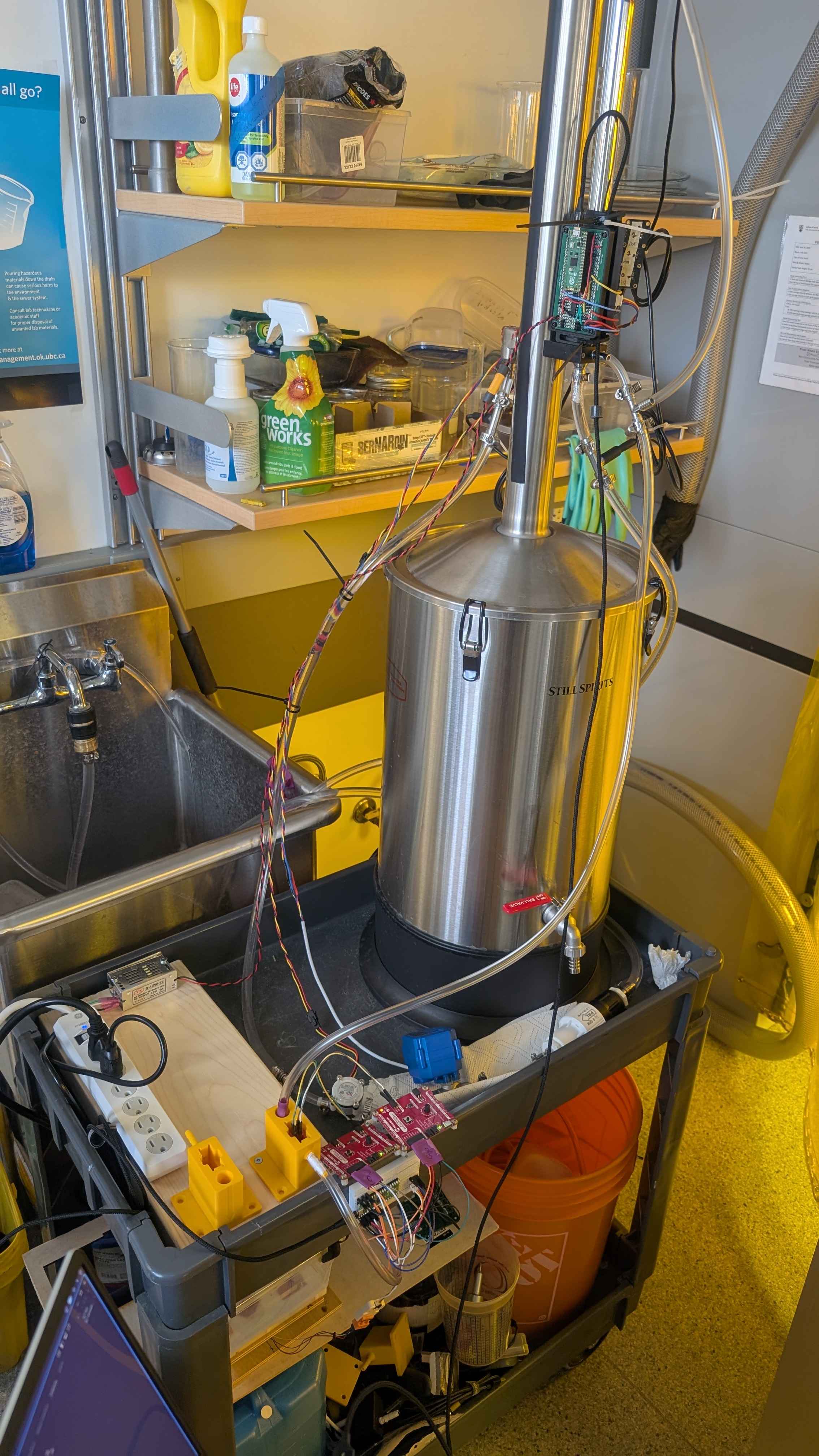
Identifying the Problem
We began by focusing on a safety problem in small-scale distillation where methanol is a toxic byproduct, yet many users still depend on informal judgment methods to separate it from usable output. Our objective was to create a safer and more accessible alternative that could monitor the process in real time. From the beginning, the project had to balance three competing priorities: affordability, usability, and reliable sensing.
Exploring and Selecting a Sensing Strategy
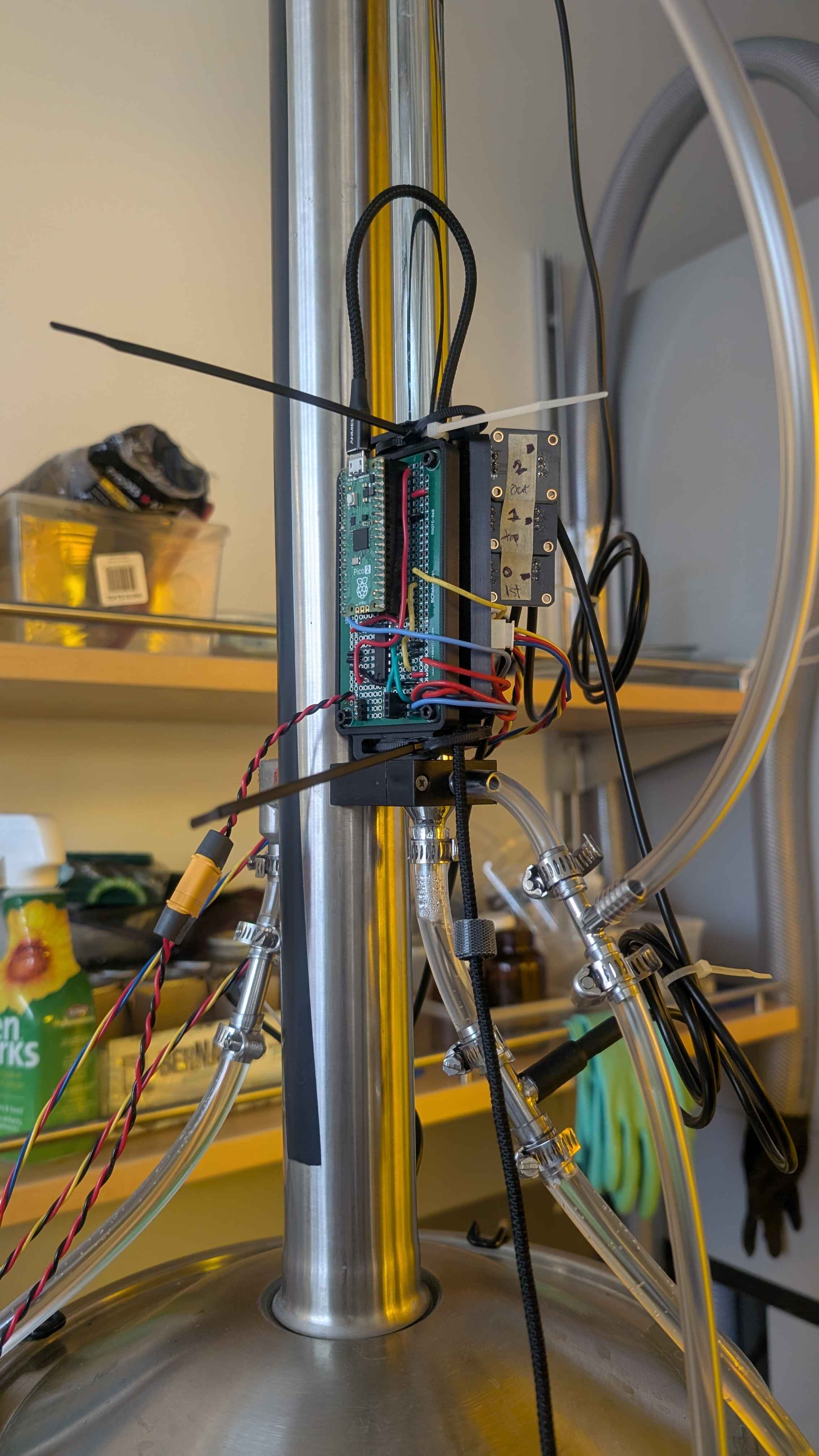
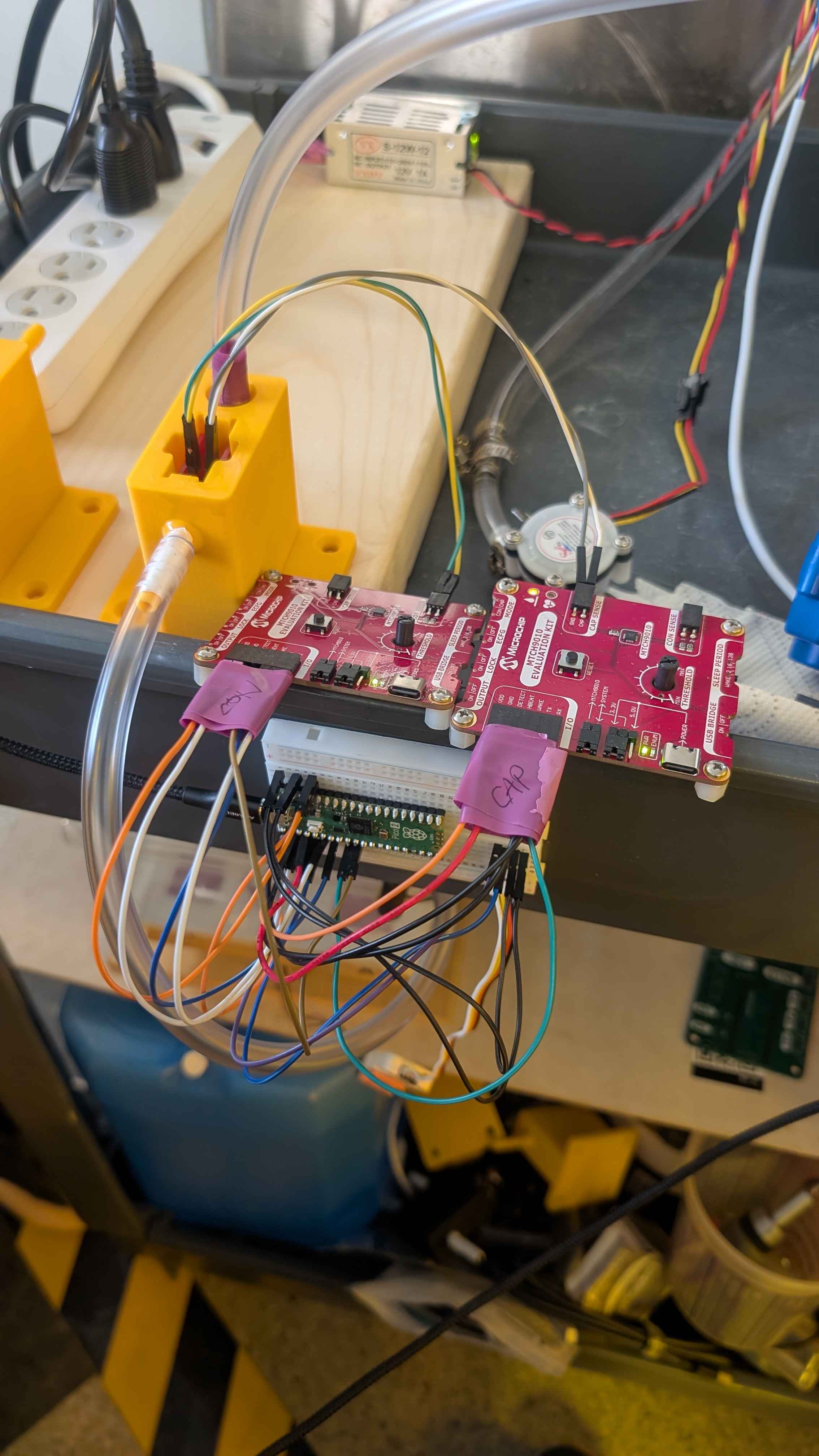
We explored several possible approaches for methanol detection, including more direct analytical methods, but many were too expensive, complex, or impractical for a low-cost prototype. Our final direction used capacitive and conductive sensing with flow measurement to infer alcohol phase changes indirectly. Rather than pursuing the most precise laboratory method, we selected an approach that better aligned with the project's cost and accessibility goals.
Iterating the Prototype
The most important part of the project was iteration. Early versions of the sensing chamber introduced air bubbles, unstable readings, and inconsistent liquid contact with the sensors. To address this, we repeatedly redesigned the P-trap geometry to improve flow behavior and sensor submersion. My contributions focused on software, testing support, and project deliverables — translating test results into clearer system improvements and documenting design decisions throughout the process.
Testing, Results, and Limitations
The final prototype demonstrated that alcohol phase transitions could be tracked in real time using combined sensor outputs and controlled operating conditions. The system achieved temperature accuracy within ±1°C. Because legal constraints prevented validation with actual methanol-ethanol distillation, we used isopropyl alcohol as a substitute during testing. This limited full real-world validation, but the project still demonstrated that the concept was feasible and worth further refinement.
Project Description
Designed a 2-bit flash analog-to-digital converter (ADC) in 130 nm CMOS, targeting 1 GHz operation. The project covered full transistor-level architecture: strong-arm latch dynamic comparators, a 1 V reference resistor ladder, and CMOS encoder logic. All blocks were implemented and verified individually in Cadence Virtuoso before full system integration.
Comparator Design
The core sensing element is a strong-arm latch dynamic comparator, chosen for its low static power and suitability for high-speed operation. Three comparators are required for a 2-bit flash ADC (2ⁿ − 1). Each comparator was sized at the transistor level and characterized individually for offset, propagation delay, and output swing before integration into the full array.
Reference Ladder
A resistor-ladder network generates evenly spaced reference voltages between 0 V and 1 V. Resistor sizing was chosen to balance current consumption against the settling time requirements at 1 GHz operation, with analysis of how resistor mismatch and capacitive loading at each tap affect overall linearity.
CMOS Encoder Logic
The thermometer-code output of the comparator array is converted to a 2-bit binary output using CMOS combinational logic. Gate-level design was verified for correct truth-table behavior, and the encoder's contribution to total propagation delay was analyzed as part of the overall timing budget.
Trade-off Study
A key part of the project was analyzing performance trade-offs at 1 GHz: comparator input-referred offset and its effect on DNL/INL, non-ideal output swing under capacitive loading, power consumption scaling, and sensitivity to process variation in 130 nm CMOS. This analysis grounded design decisions in realistic operating constraints rather than ideal assumptions.